
Flower Species Directory: Browse Flowers by Name
Browse ten flower identification guides by common name, scientific name, or plant family. Each card gives the most useful identifying features and links to a full profile. Use the Flower Identifier when the flower is not listed.
The directory is not a complete list of flowering plants. A missing name means only that its guide has not been added yet.
Key takeaways
- The directory covers ten flower groups, including common daisy, aster, sunflower, Roman chamomile, rose, peony, hydrangea, dandelion, lily, and bird of paradise.
- Daisy, aster, sunflower, chamomile, and dandelion belong to the daisy family and carry composite heads made of many florets.
- Rose, peony, hydrangea, and true lily profiles cover genera, while common daisy and common sunflower profiles focus on named species.
- Leaves and growth habit separate close matches: common daisy has a basal rosette, rose has compound leaves, and hydrangea usually has opposite simple leaves.
- Match the whole plant to a profile, not just the bloom colour; the directory is a starting collection rather than a complete list of flowering plants.
Which Flower Species Can You Browse Here?
The directory currently contains ten profiles. Each card links to a full identification guide with diagnostic traits, lookalikes, flowering information, and relevant safety sources.
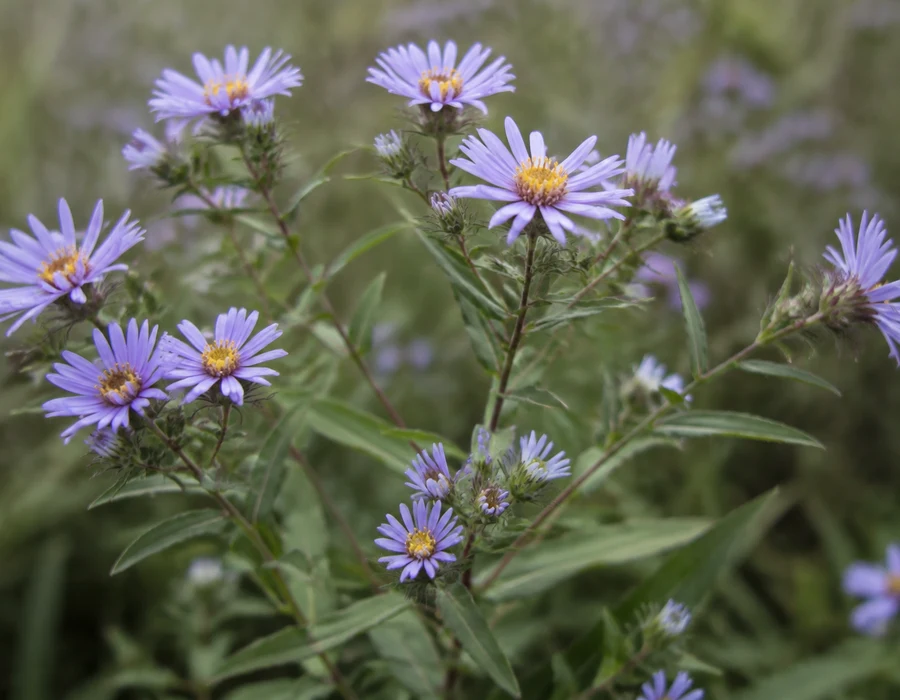
Aster identification guide
Aster and Symphyotrichum group
Daisy-like composite heads and alternate leaves along the stem point toward Aster or Symphyotrichum; regional features may be needed to choose the genus.
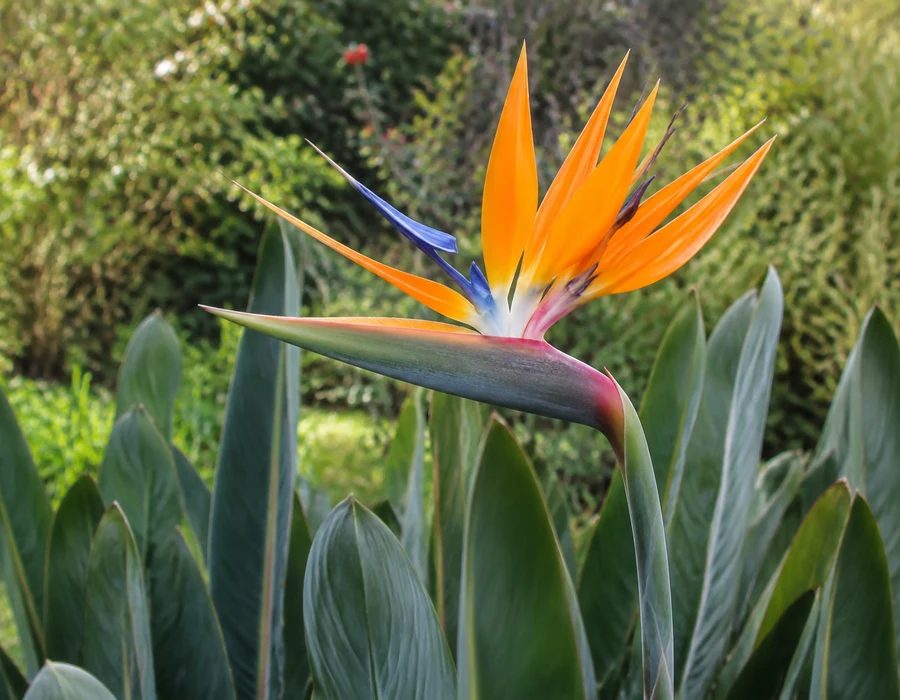
Bird-of-paradise identification guide
Strelitzia reginae
Orange and blue tepals emerge in succession from a horizontal boat-shaped spathe above a clump of paddle leaves.
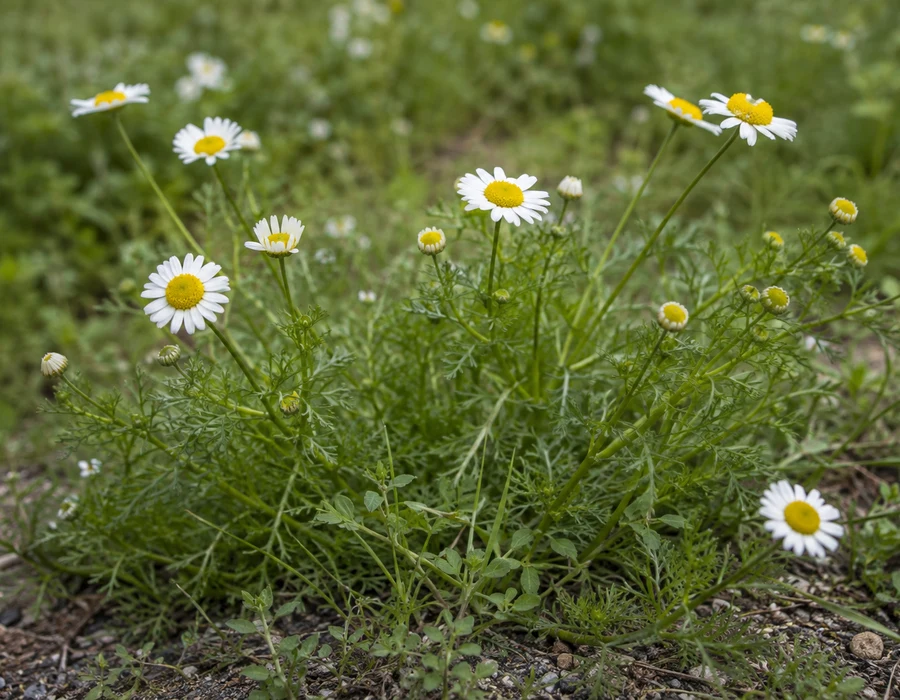
Chamomile identification guide
Chamaemelum nobile
Low mat-forming growth, finely divided foliage, and small white ray florets around yellow disc florets support Roman chamomile.
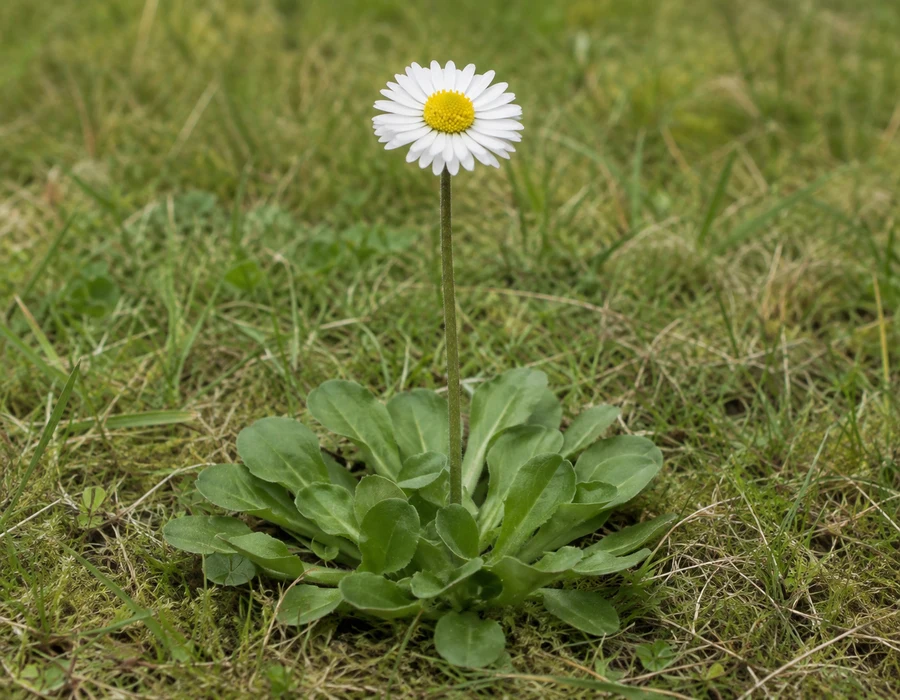
Common daisy identification guide
Bellis perennis
A solitary composite head on a leafless stalk rises from a compact basal rosette of spoon-shaped leaves.
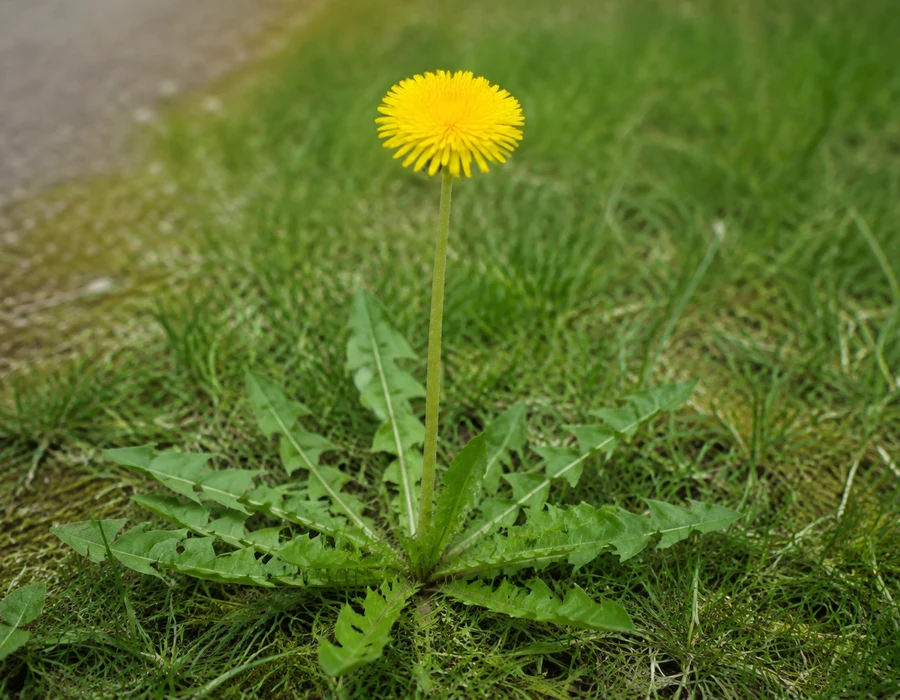
Dandelion identification guide
Taraxacum section Taraxacum
A bright yellow head sits alone on a hollow, leafless scape rising from deeply toothed basal leaves.
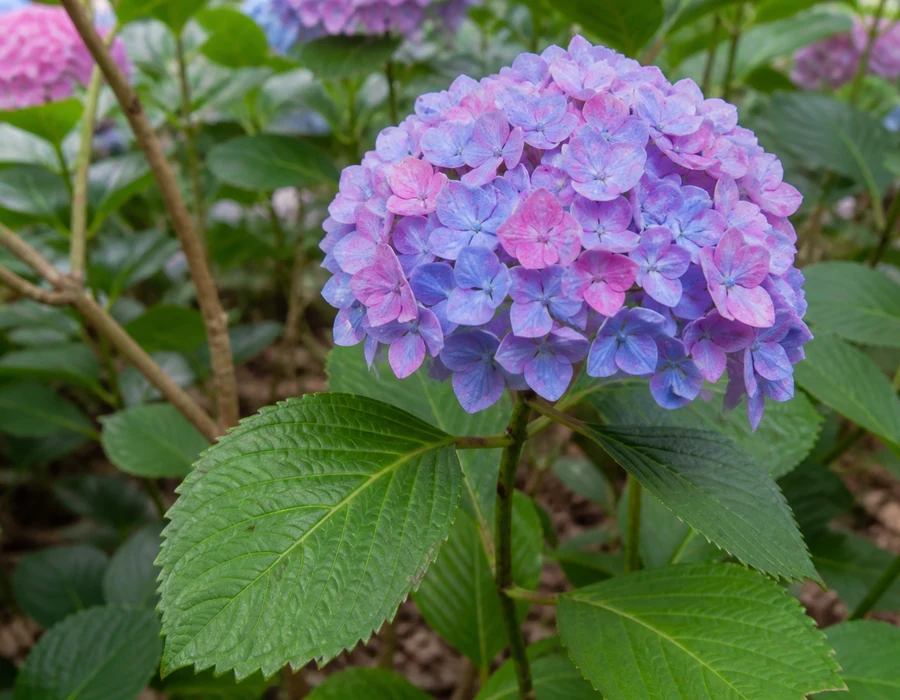
Hydrangea identification guide
Hydrangea species
Opposite serrated leaves and terminal clusters of showy and fertile flowers support the hydrangea genus hypothesis.
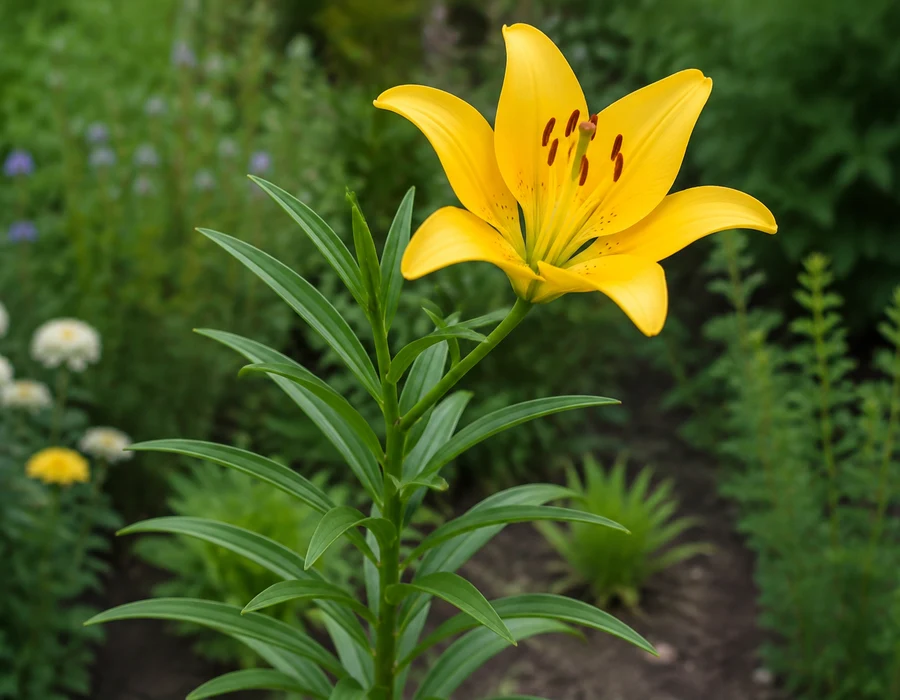
True lily identification guide
Lilium species
Six petal-like tepals, an upright leafy stem, and a terminal flower or cluster separate true lilies from lily-named plants.
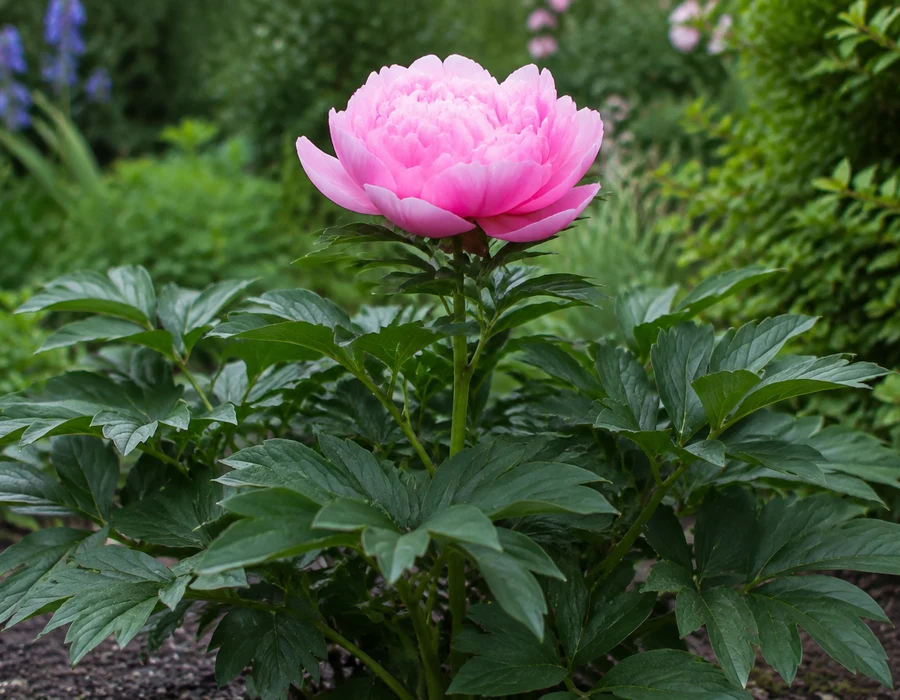
Peony identification guide
Paeonia species
Open or densely layered bowl-shaped blooms combine with divided foliage and a clumping habit to support the genus.
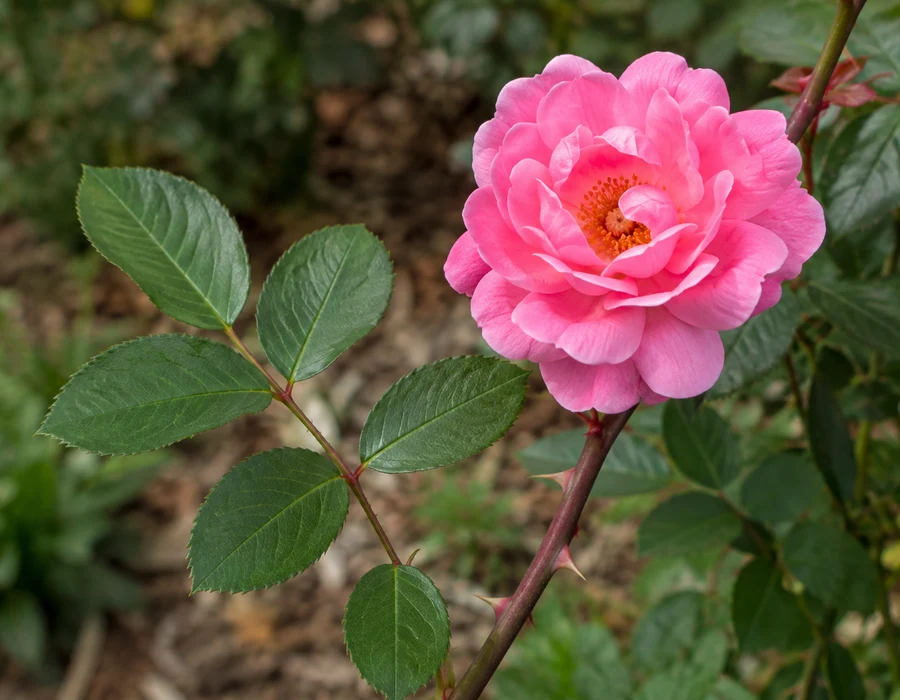
Rose identification guide
Rosa species
Prickled woody stems, pinnate serrated leaves, and solitary or clustered flowers carry more identification weight than color.
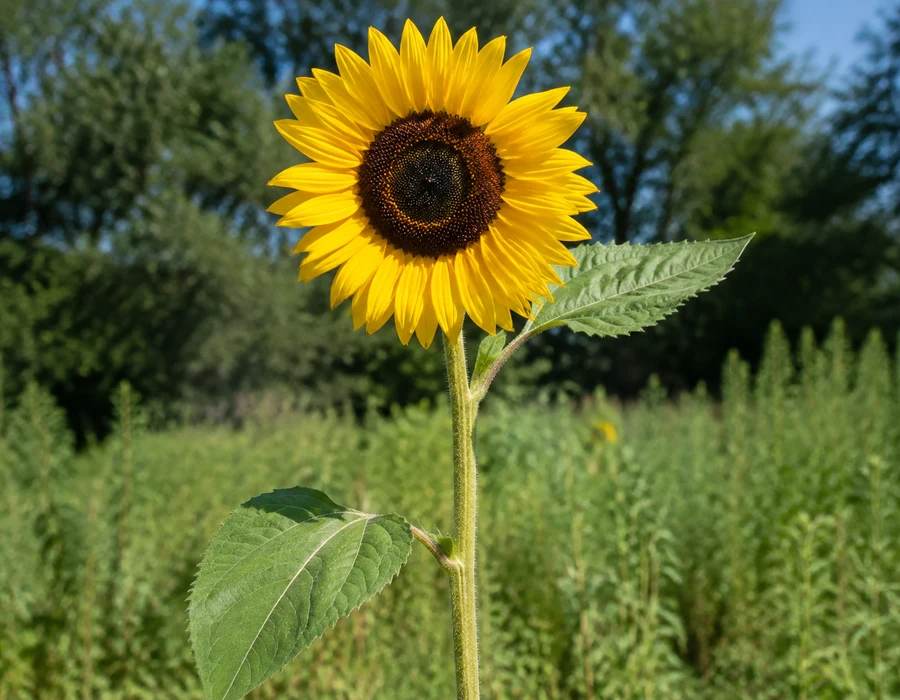
Common sunflower identification guide
Helianthus annuus
A large composite head with yellow ray florets, a central disc, broad leaves, and an upright annual habit supports the species.
How Can You Find a Flower by Name?
Use the alphabet index to jump to a letter, then open the linked profile. You can also use the search box to narrow the visible names.
A
- Aster Aster and Symphyotrichum group
B
- Bird of paradise Strelitzia reginae
C
- Chamomile Chamaemelum nobile
D
E
No guide is available under E yet.
F
No guide is available under F yet.
G
No guide is available under G yet.
H
- Hydrangea Hydrangea species
I
No guide is available under I yet.
J
No guide is available under J yet.
K
No guide is available under K yet.
L
- True lily Lilium species
M
No guide is available under M yet.
N
No guide is available under N yet.
O
No guide is available under O yet.
P
- Peony Paeonia species
Q
No guide is available under Q yet.
R
- Rose Rosa species
S
- Sunflower Helianthus annuus
T
No guide is available under T yet.
U
No guide is available under U yet.
V
No guide is available under V yet.
W
No guide is available under W yet.
X
No guide is available under X yet.
Y
No guide is available under Y yet.
Z
No guide is available under Z yet.
How Are Species Grouped?
The family labels show which flowers are botanically related. This directory is not a complete botanical encyclopedia, and many genera are not included yet.
- Asteraceae: Daisy, dandelion, sunflower, chamomile, and the defined aster group. Their heads combine many small florets, while leaves and habits differ.
- Rosaceae: Rose. Rosa is a woody, often prickly shrub genus with pinnate leaves.
- Paeoniaceae: Peony. Paeonia remains separate from rose even when a layered bloom looks similar.
- Hydrangeaceae: Hydrangea. Hydrangea is grouped by opposite leaves and terminal clusters, not by one color or cultivar form.
- Liliaceae: True lily. Lilium is a bulbous genus with six tepals. Peace lily, calla lily, and daylily belong to different plant families or genera.
- Strelitziaceae: Bird of paradise. Strelitzia reginae is a clumping perennial with a boat-shaped spathe and orange and blue tepals.
Plant family can narrow the possibilities, but it rarely identifies a species. A composite flower head may point to Asteraceae without revealing the genus. The word “lily” appears in the names of plants from several different families. Open the full profile to compare diagnostic traits, flowering time, and safety information.
What If the Flower Is Not in the Directory?
An absent card means this directory does not yet include that flower. Start with the Flower Identifier and provide a whole-plant view, a bloom front and side view, a leaf and stem view, and the region or setting. If the image does not support a species, use the flower-features finder to record shape, head structure, leaf arrangement, and growth habit without forcing a name.
Keep an unknown flower separate from the nearest card. A daisy-like head may belong to chamomile, aster, sunflower, or another Asteraceae plant, and a lily-like bloom may not be Lilium. The identifier can return a group or lookalike set and explain the next useful photograph. Do not infer bloom time, safety, edibility, or native status from a resemblance alone.
Why Does Each Profile Show the Scientific Name?
Each profile shows the scientific name or plant group beside its identifying traits and sources. This prevents a fact about one plant from being transferred to an unrelated plant with the same common name. The flower bloom calendar also shows the plant and location beside every flowering period.
Some photographs can identify a species, while others support only a genus or group. The dandelion guide stops at a difficult species group, while the sunflower guide covers Helianthus annuus. Pet-safety records also apply only to the named plant and animal. Use the flower-features finder or Flower Identifier when important features are still missing.
When comparing a profile with another source, check the scientific name, region, and plant stage as well as the common name. Keep the original photograph and note the month and location if you may revisit the identification later.