
Identify a Flower by Its Features: A No-Photo Finder
You do not always have a photo when you want to name a flower. This finder replaces that missing photo with what you actually remember: colour, how the bloom is arranged, its rough symmetry, its size, when you saw it, and where it was growing. Each detail narrows the field a little; none of them alone proves an identity. Set the facets that match what you recall, review the candidates that fit, then confirm with the Flower Identifier once you have a photo.
Key takeaways
- Colour, arrangement, size, season, and habitat each narrow the field; none identifies a flower by itself.
- Many flowers that look like they have many petals are a head of many small flowers. Bloom arrangement below explains the difference before you count anything.
- Bloom position and form, the way flower parts join, leaf placement, and growth habit usually separate candidates that share a colour.
- Light, flower age, and cultivar variation change colour and size more than they change arrangement or symmetry.
- Use the filters to build a shortlist, the resemblance guides when you remember only the flower's shape, or the Flower Identifier when you have a photo.
Set What You Remember
Choose as many facets as you can recall. The matching candidates update as you refine the choices. Two or three consistent details usually narrow the field further than one alone.
The filters describe the listed card, not a promise that every cultivar or regional form fits one size, colour, or season.
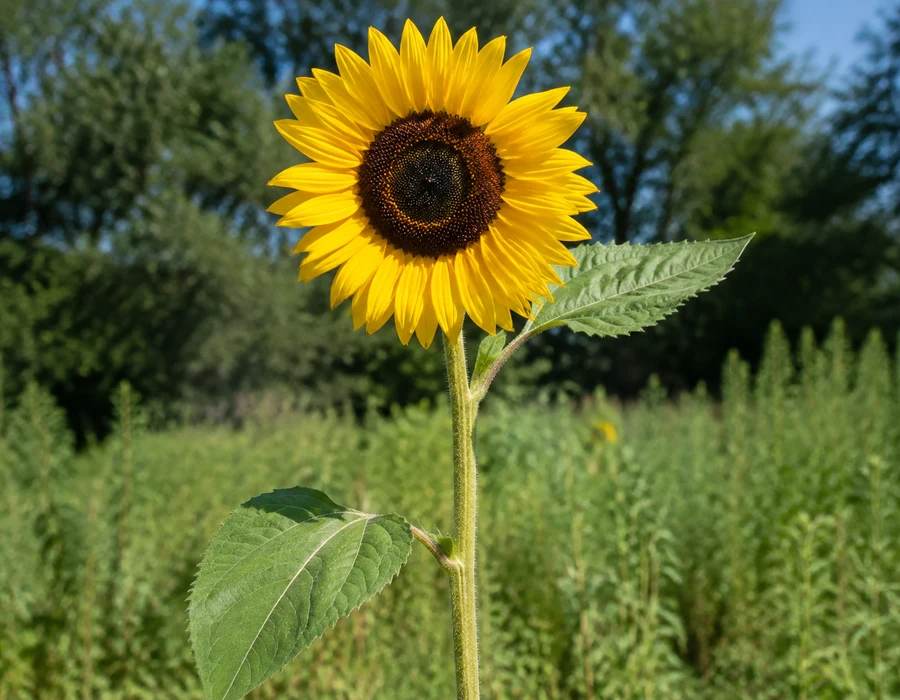
Sunflower, Helianthus annuus
Visible distinction: A large terminal composite head with a dark disc and broad, roughly hairy leaves on an upright annual stem.
Guide: Sunflower identification.
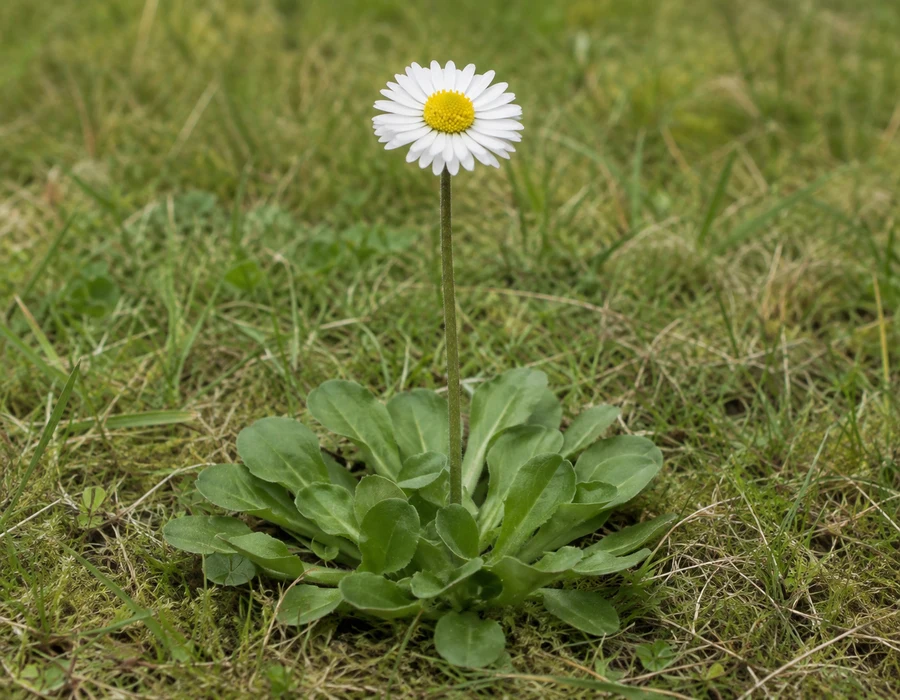
Common daisy, Bellis perennis
Visible distinction: A small composite head, white ray florets around a flat yellow disc, on a low rosette.
Guide: Daisy identification.
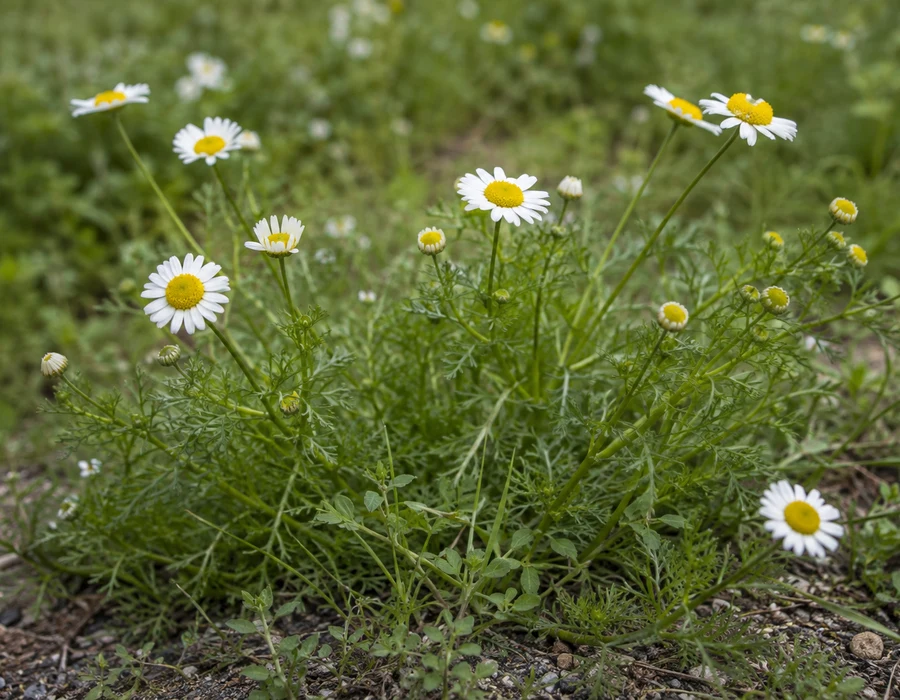
Roman chamomile, Chamaemelum nobile
Visible distinction: A daisy-like head above finely divided foliage on a low, mat-forming plant. Compare the foliage and whole-plant habit before relying on the bloom face.
Guide: Chamomile identification.
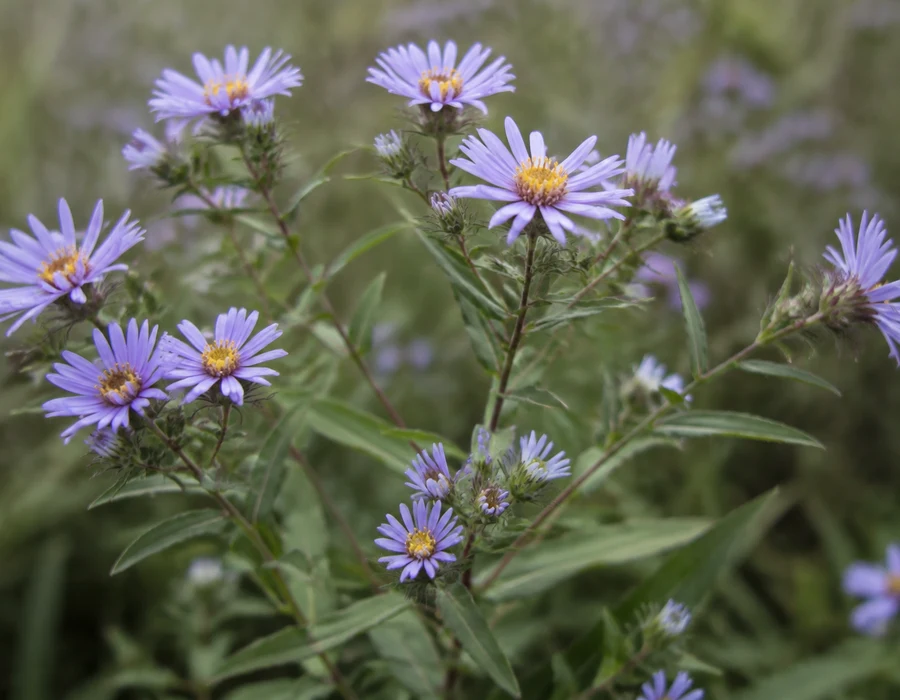
Aster group, Aster / Symphyotrichum
Visible distinction: A composite head with narrower ray florets than a daisy, on alternate leaves, typically later in the season.
Guide: Aster identification.
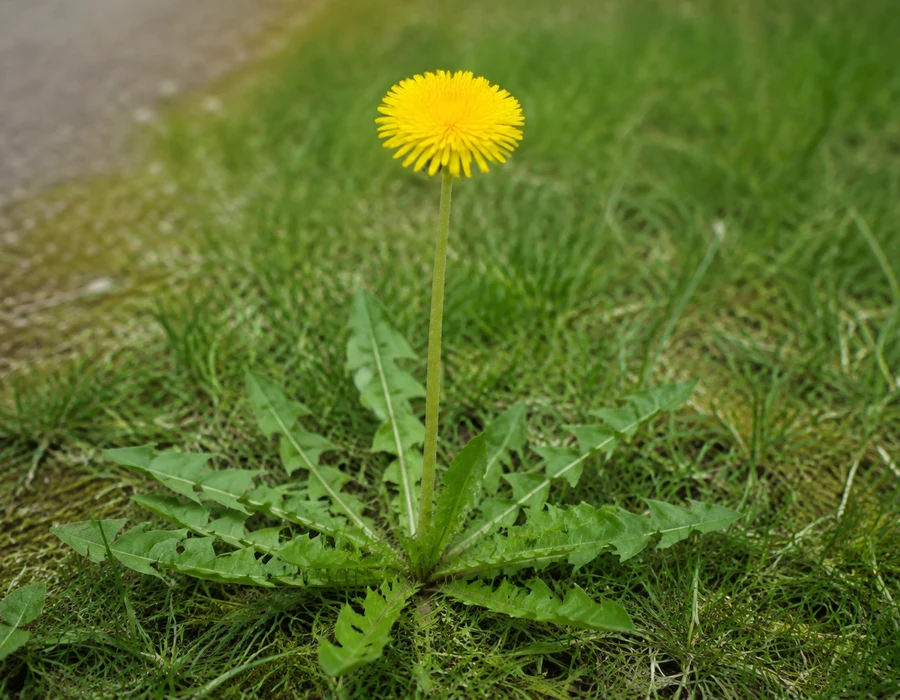
Dandelion group, Taraxacum
Visible distinction: A bright yellow composite head on a hollow, leafless stem rising from a deeply toothed basal rosette.
Guide: Dandelion identification.
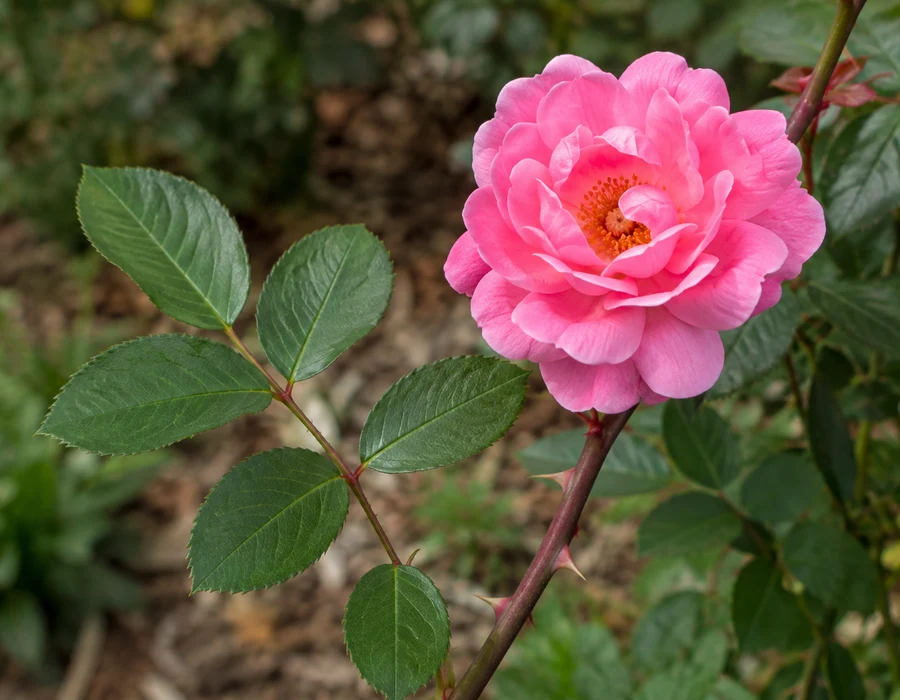
Rose, Rosa
Visible distinction: A single layered bloom with many overlapping true petals, on serrated pinnate leaves and a prickled woody stem.
Guide: Rose identification.
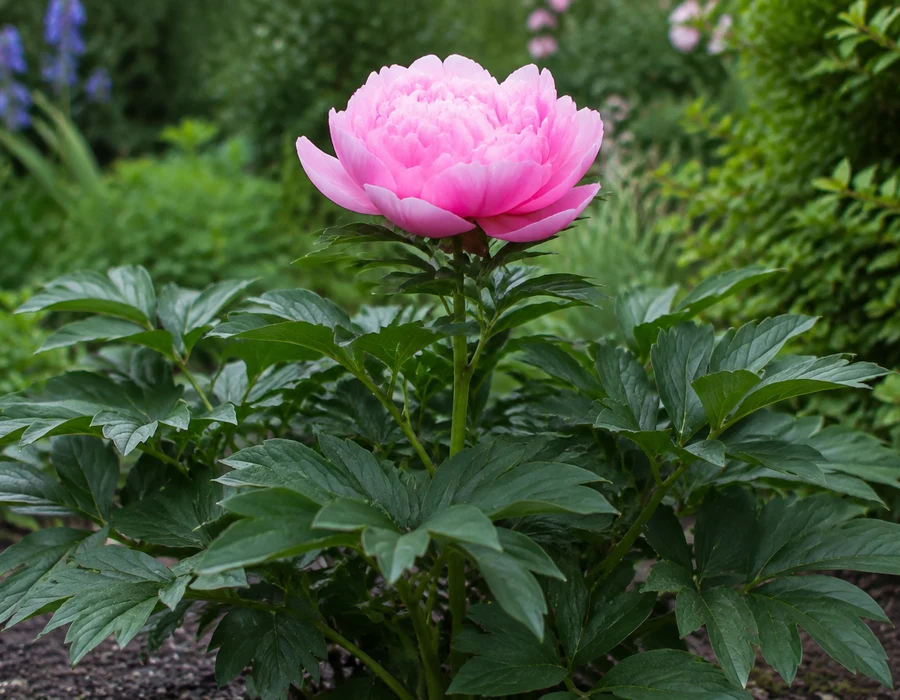
Peony, Paeonia
Visible distinction: A single, very full and rounded bloom, generally heavier and looser-petalled than a rose, on divided leaves.
Guide: Peony identification.
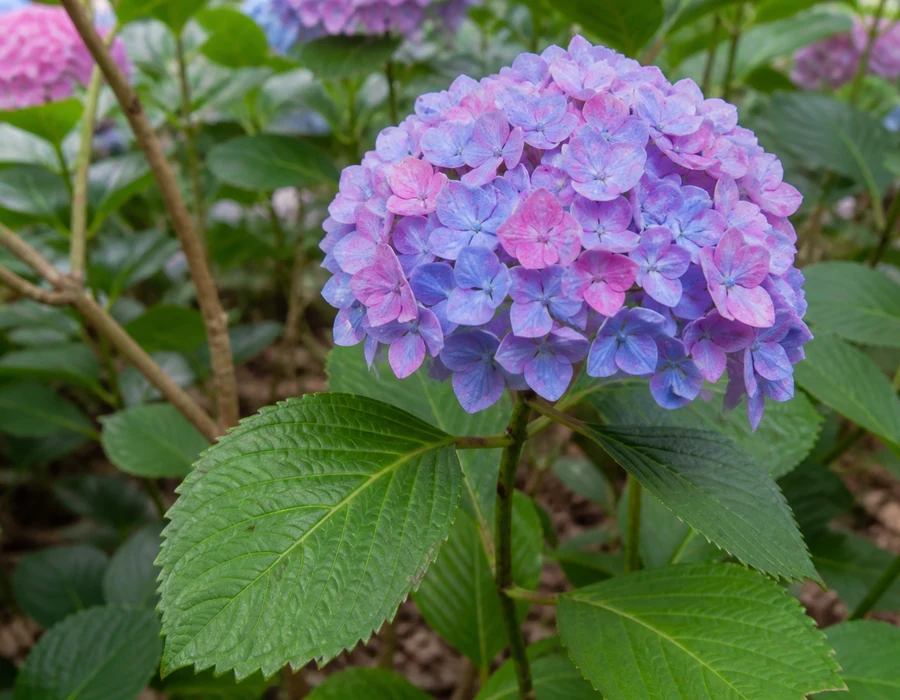
Hydrangea, Hydrangea macrophylla
Visible distinction: A rounded or flattened cluster of many small four-petalled florets, not one single bloom; colour can shift with soil pH.
Guide: Hydrangea identification.
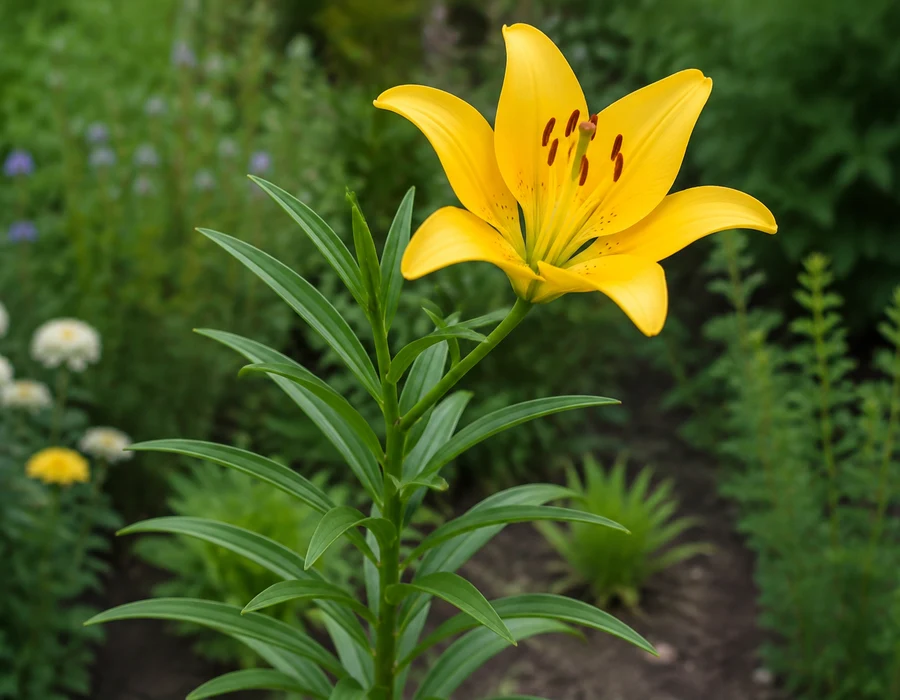
True lily, Lilium
Visible distinction: A single large bloom with six petal-like tepals on an upright leafy stem, often several to a stem. Not calla, peace, or daylily.
Guide: Lily identification.
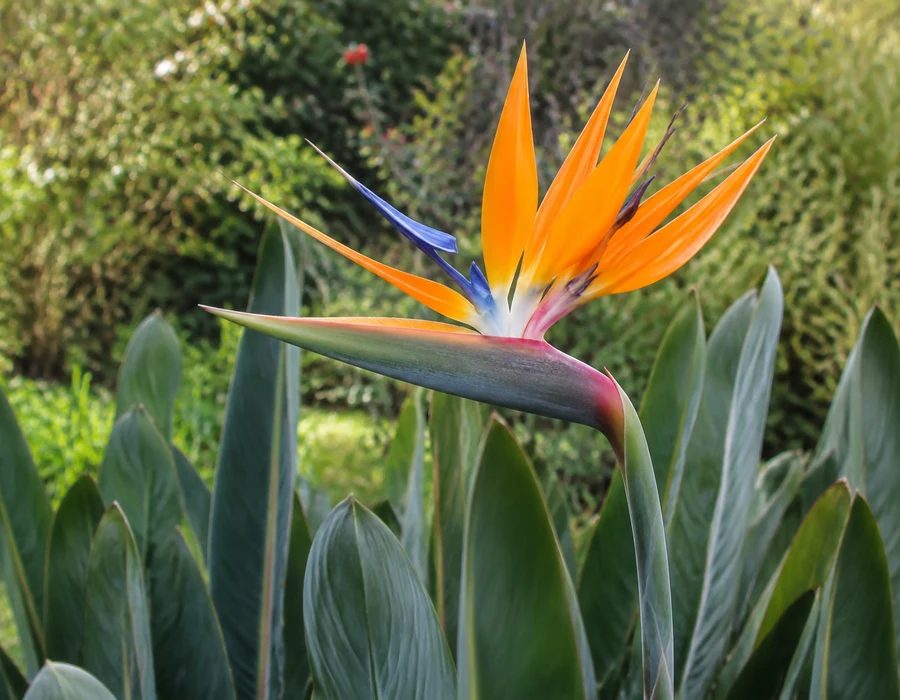
Bird of paradise, Strelitzia reginae
Visible distinction: A single, strongly asymmetric orange-and-blue bloom emerging from a horizontal, boat-shaped bract.
Guide: Bird-of-paradise identification.
Every card links to a species guide. If nothing fits, use the shape guidance below to focus your description, then check the species directory for every guide currently available.
Add the Details That Separate Similar Flowers
When two candidates share a colour and a general flower face, move away from the front view of the bloom. The most useful next observation is often the part a casual photo leaves out: how the flower hangs, where a leaf joins the stem, or whether the apparent flower is built from one joined tube or many separate parts.
| Remembered detail | What it can separate | Most useful view when you can take a photo |
|---|---|---|
| Bloom position: upright, side-facing, or nodding | A flower that hangs like a bell can belong to a different comparison set from an open, upward-facing bowl or star. | A side view that includes the stalk and the point where the bloom attaches. |
| Bloom form: bell, cup, star, tube, lip, spur, or flat face | Overall form helps you choose the right structural comparison before colour or an estimated petal count takes over. | One front view and one side view of a fully open bloom. |
| Parts joined or separate: a continuous tube or clearly separate petals or tepals | Joined parts can explain a trumpet or tubular outline; separate parts suit a different set of candidate flowers. | A side view from bloom base to rim, without pulling the flower apart. |
| Leaf placement: a basal rosette, opposite pairs, alternating leaves, or a whorl | Leaf placement is often more stable than bloom colour and can rule out a familiar-looking flower quickly. | One complete leaf and the point where it meets the stem. |
| Stem and habit: leafless scape, leafy stem, woody shrub, vine, clump, or low mat | Plant habit separates a single display on a stalk from a shrub, a climbing plant, or a rosette-forming herb. | The whole plant, including its base and any branching. |
Use these observations in order. First decide whether you saw one flower, a composite head, or a cluster. Then describe its orientation and outline. Only after that should leaf placement, stem, season, and setting narrow the shortlist. This sequence prevents a shared colour or a familiar flower face from doing more work than it can support.
For example, a low rosette with a leafless stalk points toward the common-daisy or dandelion pattern, while alternate leaves along a branching stem make an aster-like candidate more plausible. A boat-shaped bract and a strongly side-facing bloom lead in a different direction again, toward bird-of-paradise identification. The detail matters because it changes the next comparison, not because it supplies a name by itself.
If None of the Candidates Fits
Do not force a name because one card shares the flower colour. A useful unresolved description is better than a confident but wrong species label.
- Describe the display first. Record whether it was one flower, a composite head, or many small flowers gathered into a cluster.
- Name the visible outline. Bell, tube, cup, star, plume, and sphere are more useful starting points than an exact shade or a guessed petal total.
- Collect the highest-value plant detail. Photograph one leaf where it joins the stem, the underside of the bloom, and the whole plant. Those three views usually reveal what a front-facing flower photo hides.
- Keep location and timing as supporting context. Note the region, month, and whether the plant was cultivated, growing in a lawn, or found in a wilder setting. They can narrow a shortlist after structure has done the main work.
The flower anatomy guide explains the parts named in this sequence. If you remember only the general shape, use the resemblance guides below. If you can return to the plant, use the Flower Identifier with clear photographs of the bloom, leaves, and whole plant.
Why "Petal Count" Needs Bloom Arrangement First
Many flowers that look like they have a ring of petals are a composite head: many small individual flowers (florets) packed into one structure, not one flower with many petals. A daisy's white "petals" are ray florets; its yellow centre is a disc of many tiny disc florets. Counting them as though they were true petals produces a number that will not match a field guide's definition of that species' petal count.
Before counting anything, decide whether you saw:
- A single bloom: one flower with true petals or tepals, such as a rose or a lily.
- A composite head: many tiny florets arranged to look like one flower, such as a daisy, aster, chamomile, dandelion, or sunflower.
- A clustered arrangement: many small, separate flowers grouped on one stem or dome, such as a hydrangea.
Only a single bloom gives you a countable, comparable petal number. For a composite head, note the colour and shape of the ray florets and the centre instead. That comparison is more reliable than a count. The flower anatomy guide shows exactly which structure is which.
Colour Is a Starting Point, Not a Verdict
Colour is a useful first filter, but light, flower age, and cultivar variation can all change what you see. The University of New Hampshire Extension notes that floral pigments in Rose of Sharon respond to temperature, sunlight, pH, and plant nutrition, and that flowers on the same plant can differ in colour over time. Read the Extension explanation of changing floral colour. Hydrangea is the clearest example on this site: its colour can shift with soil pH rather than identity.
Describe colour in broad, visible terms. For example, “pale yellow rays with an orange-brown centre” is more useful than an exact shade. Add arrangement, symmetry, and size before treating colour as decisive.
If You Only Remember a Shape
Sometimes the only detail you remember is the flower's overall shape. These guides start with that resemblance:
- Choose flowers that look like roses for a layered bloom with a rose-like outline or a visible spiral of overlapping petals.
- Choose flowers that look like peonies for a large, full, rounded bloom with broad, ruffled layers.
- Choose flowers that look like hydrangeas for a rounded or flattened mass of many small flowers rather than one single bloom.
If none of the three fits, keep your description at the level of bloom shape (bell, star, cup, trumpet, sphere, or plume), note whether it was one flower or a cluster, and record what the leaves and stem looked like. Those details, including centre shape, leaf arrangement, leaf edge, stem habit, and setting, are what separate close lookalikes once a shortlist exists.
When Is a Photo Better Than Features?
A photo is better when the answer depends on a small, visible distinction that memory cannot preserve: the underside of the bloom, the leaf attachment, a fine leaf edge, or the exact feature that separates two close lookalikes. Use the Flower Identifier once you can take a picture. Start with the bloom, then add a side, leaf, or whole-plant view if the tool asks for one. Setting these facets first tells you where to begin; a clear photo gives the comparison something real to inspect.